Lee Industries Blog
Sign up to be notified of our new blog posts.

How to Improve Food Processing Without Overhauling Your Entire Plant
Improving food processing efficiency does not always require a larger facility, a completely new line or more labor. In many plants, the best opportunities are found by examining how product, equipment and operators move through the existing process.

Food Processing Plants of the Future: What 2030 and 2050 Mean for Equipment Decisions Today
Food processing plants are already facing the pressures that will shape the next several decades: rising demand, more product variety, labor constraints, traceability requirements, and tighter expectations around sanitation, energy, and water use. Future-ready planning starts with equipment decisions being made now, from kettles and tanks to agitation systems, CIP systems, and custom process lines...

Mid’s Sauce + Lee Kettles: Protecting the Family Recipe
Mid’s True Sicilian Pasta Sauce needed reliable, large-capacity mixing equipment to preserve family-recipe quality while meeting growing demand. See how Lee kettles support safer operation, consistent agitation and slow-simmered sauce production...
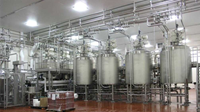
Three Unique Solutions to Operational Bottlenecks
Many processors can increase capacity without expanding their facility or replacing their full system. These three real-world examples show how targeted vessel additions and process changes can reduce bottlenecks and improve production flow...

Food Processing Equipment: Three Essential Steps to Make the Most of 2026
Food and beverage manufacturers face a rapidly changing environment driven by rising demand, ingredient reformulation, automation investments, workforce constraints and higher expectations for consistency and throughput. Processors that modernize equipment, involve applications engineers early and strengthen maintenance programs perform better and reduce downtime. Learn how to stay ahead...

Annual Food Manufacturing Surveys Yield Important Equipment Considerations
We’re always paying attention to the issues our customers face in their businesses. That way, we can adapt our products and services to best fit their changing needs. So, the recent release of two annual research reports within the Food Manufacturing industry is particularly interesting...

Do These Three Things Before Putting a Used Processing Vessel into Active Production
The market for used processing vessels is typically strong, due in part to the long use-life of high-quality equipment. That, and today’s high demand for new equipment, is leading more processors to buy used equipment. Here's what to do before choosing a used vessel...

Don’t Buy the Wrong Relationship on Your Way to Buying the Right Equipment
Gather a group of experienced processing plant managers and ask them to describe their focus when deciding which supplier to buy core equipment from and you’ll hear a range of different opinions—from construction quality and durability to equipment features and performance…and price. But one recommendation they’ll likely all share is this...

Chocolate and Confection Manufacturers – Remember the Valve
Sales of chocolate and candy are always strong. As producers expand to meet demand, it's critical to choose the right valves, since the flow of temperature-sensitive, sugary products through a line is susceptible to product hardening. Click to read more about making the right valve choices...

Skincare Products: How to Make Sure You Get the Right Processing Equipment
Mixing high viscosity products intended to penetrate the epidermis poses special challenges for manufacturers of skin care products. When increasing production, new equipment must be configured to ensure a consistent and scalable operation. Here are key factors to focus on when choosing a vessel...

Jams, Jellies and Preserves: How to Choose the Right Processing Vessel
As consumers focus on healthy lifestyles and opt for natural products, demand for jam, jelly, and preserve products is growing. To accommodate the growth and variety of ingredients, manufacturers may need to modify, upgrade or add processing equipment to keep pace. Here's how equipment choices can impact overall operational performance...

Soup’s On: What to Consider When Adding Capacity for Soup Production
More and more people agree that “soup is good food”. So, it’s no surprise that researchers expect the demand for soup to continue growing, with global annual value reaching $20B by 2026. This positive outlook means many soup producers are looking to add capacity. Here's what to consider...

Getting the Most from What You’ve Got: Maximizing the Efficiency of Your Existing Food Processing Equipment
Smart manufacturers continually look to improve the productivity, efficiency and reliability of their equipment. Here are several practical ways to help maximize cooking and mixing equipment’s performance and longevity...

How International Supply Chain Volatility is Impacting Equipment Buyers
For manufacturers seeking to insulate themselves from volatility and minimize risks associated with trade policies, sourcing equipment from U.S.-based suppliers has become a priority. While this may contradict existing purchasing processes, there are benefits to consider…

Equipment Considerations for Plant-Based Food Processing
The plant-based food market is expected to reach $74.2 billion by 2027. As food manufacturers ramp up production of plant-based products, they must determine how to configure their processing equipment to effectively scale operations. Here are several important considerations...
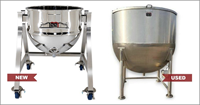
Thinking Used Instead of New? Take These Essential Steps Before Buying a Pre-Owned Vessel
The market for used processing vessels is typically strong, due in part to the long use-life of high-quality equipment. That, and today’s high demand for new equipment, is leading more processors to buy used equipment. Here's what to do before choosing a used vessel...
How Trends in Pet Ownership and Food are Shaping Pet Food Processing Equipment Decisions
More than ever, Americans love their pets…and that is having a major impact on food processing equipment decisions. Our blog article takes a look at recent pet food processing trends and highlights important equipment considerations to optimize production efficiency and performance...
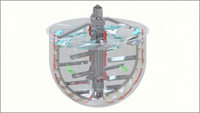
How Precision Mixing Enhances Batch Consistency in Pharmaceutical Manufacturing
Pharmaceutical manufacturers must consistently produce precise, high-quality products at scale. Read on to discover the key elements to achieving precise mixing and reducing batch variability...
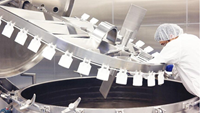
How to Prevent Downtime and Extend the Lifespan of Your Food Processing Vessels
Unplanned downtime disrupts production and efficiency. Learn how proactive, scheduled maintenance can help prevent costly interruptions, extend vessel lifespan, and keep equipment running smoothly. Discover expert tips and actionable insights to reduce wear, maximize productivity, and optimize performance...

Improvement Opportunities Checklist
It’s hard to know where to look to make operational improvements that really matter. Making sure workflow and equipment are in harmony will ensure optimized production, so use this helpful improvements checklist to evaluate the design of your workflow and the fit between equipment and products...

Six Tips for Food Manufacturers Purchasing Their First Mixing Vessel
Follow these six tips when buying your first mixing vessel, and get guidance with understanding how styles, features and options impact your product quality and consistency, production efficiency and operating costs...

What Your Production Team Wants You to Know About Processing Vessels
Your production staff knows better than anyone about shortcomings or issues in vessel design, capacity or features, which means they can be a great resource for ideas to improve efficiency and throughput. Here are some of the most common requests from production staff...

Ramping Up Cosmetic Production
Ramping up cosmetic production isn’t as simple as multiplying the amount of needed ingredients. Materials can be unpredictable, and equipment needs will differ. Here are some of the process- and product-related factors to consider...

Looking Beyond Your Vessel Price Quote: What CFOs and Purchasing Managers Need to Know
When looking at a price quote for a new vessel, the first impulse of a CFO or Purchasing Manager may be to choose the lowest bid. But what are the longer term implications of choosing only based on price? Here are some factors that impact a vessel's Total Cost of Ownership...

When Looking for a Vessel, Don’t Overlook the Value of a Professional Applications Engineer
In a world of remote vendors, it’s easy to overlook the value real experts bring. For food, cosmetic, pharmaceutical, and similar manufacturers, experienced partners make a critical difference when selecting new processing vessels...

Challenge Accepted: The Impossible Barbacoa Dream
We love having the chance to solve the unique challenges brought to us by our customers. In this case, the challenge was how to cook and discharge barbacoa without damaging the meat. Read on to see how we arrived at a solution...
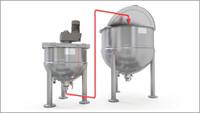
How Staggered Production Can Reduce Processing Bottlenecks
Sometimes solving production bottlenecks requires a mix of experience and creativity. One common bottleneck occurs when downstream capacity can’t keep up with the production rate. Here are a few solutions that may work for your operation...
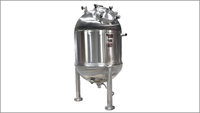
Vacuum De-Aeration: Removing Trapped Air Bubbles for Uniform Product Consistency and Accurate Dosing
Manufacturers who process high-viscosity products often encounter problems with air bubbles forming in the batch. These unwanted air bubbles can prevent exact measurement and dispensing of the product in its end-use packaging, a particular problem in bio-pharma products, where highly precise dosage amounts are often required for safe and effective patient treatment...
The Value of Custom-Built Processing Equipment…and What to Do If You Can’t Wait
While most manufacturers prefer equipment customized to their operation and product, some may feel they need to seek other options, like in-stock or used equipment. Read on to learn what to consider when evaluating custom vs. in-stock equipment...

When Food Manufacturers Must Choose Between In-House or Contract Manufacturing
Most food producers—at some point in their product’s lifecycle—arrive at a fork-in-the-road moment where they must decide to make their product in-house, or outsource production to a contract manufacturer. Here are the pros and cons for each choice...

Identifying Production Bottlenecks in Process Manufacturing Operations
How can you expand production without expanding your plant? By getting rid of bottlenecks. We’ve identified several common production bottlenecks and—by tweaking equipment capacity and workflow—found creative ways to solve them. Here's what we found...

Pet Food Safety Incident Has Manufacturers Reviewing Their Operations
Pet food safety has remained a major focus since FSMA introduced strict requirements for both human and pet food manufacturers...
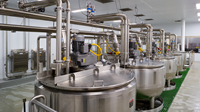
Five Equipment Decisions that Affect Efficiency and Productivity
When pursuing increased production, manufacturers should first consider these 5 engineer recommendations regarding key equipment decisions that affect processing times, production costs and overall efficiency...

Challenge Accepted: Accommodating Low and High-Viscosity Product in the Same Vessel
It’s one thing to engineer a processing vessel solution to optimize production for thick, high-viscosity product. But engineering a solution that works well for a product that starts as a water-like mixture and gradually takes on the consistency of heavy paste? That is an entirely different challenge, and here's how Lee met it...

Why Mixing is So Vital to Organic Food Processing Operations
Organic food processors go to great lengths to ensure authenticity in their products. But if your end-product lacks the homestyle texture expected of fresh and natural ingredients, then that effort may be wasted. Here's how the role of mixing contributes to keeping organic food as appealing as possible...

The Earlier the Better: When Food Manufacturers Should Bring Processing Equipment Engineers into New Product Development
Food manufacturers often invest in developing new products that attract consumer interest and increase revenue. Yet, that new-product potential can be limited by setting up shortsighted or sub-optimized production processes. Here's how to avoid that mistake...

Where the Vessel is Always Greener: the Environmental Impact of Lee Products
Because we believe it is important that our equipment operates in an ecologically friendly manner, we continually seek ways to engineer our kettles and tanks to minimize their impact on our environment. Here are some of the methods we use to support that goal...
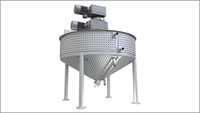
The Tell-Tale Signs of Dimple Jacket Vessel Quality
Jacketed processing vessels are used throughout the food, biopharma, cosmetic, chemical and lubrication industries. When you’re ready to purchase a jacketed vessel, here are 4 build-quality factors to look for...

9 Vessel Design Factors that Dramatically Affect CIP Performance
Lee Industries was one of the first vessel manufacturers to introduce CIP capabilities. Since then, we’ve learned a lot about optimizing vessel design to maximize sanitary performance and operating efficiency. Here are several best practices to help you design the best CIP-ready vessel for your operation...
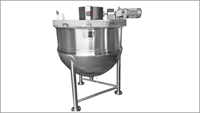
In-Stock Processing Equipment for When Custom-Built Is not an Option
Occasionally, manufacturers have an urgent need for a new vessel and don’t have the lead time required for a custom-built solution. For these situations, Lee Industries is continually manufacturing a range of our most popular models and sizes to make available as in-stock inventory upon completion. Learn more about our in-stock equipment program...
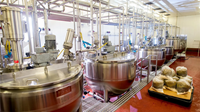
Five Questions to Ask When Buying a Used Kettle
Considering a used processing kettle? While they offer quick availability and lower prices than new ones, it's crucial to evaluate factors beyond design, capacity and agitator type. Here's what to consider when deciding whether or not to buy a used kettle...

Factors That Determine the Best Agitator Design for Your Processing Operation
There are four primary factors that should impact the selection of your agitator design. For each factor, the right agitator will deliver consistency and efficiency in mixing. Here's what to consider...
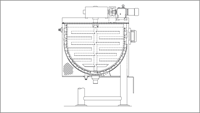
Factors That Determine the Best Processing Vessel Design for Your Operation
Effectively matching product traits to equipment design can significantly impact vessel performance. Beware of simply choosing the vessel you've always used, or the one you're most familiar with -- there may be a better fit. Here's how to choose...

How to Meet the Challenges of High-Viscosity Mixing
Producing ointments, gels and other high-viscosity products is a challenging process, due to unique ingredients and stringent regulations. Selecting the most efficient and cost-effective mixing solution can help meet those challenges, but choosing the right mixing solution is also challenging. Here's how to choose...
Challenge Accepted: Preventing Burn-On When Cooking Cheese Sauce in a Jacketed Kettle
As anyone who has melted cheese on a stovetop knows, it is nearly impossible to keep it from sticking to the pot and cleaning the inside surface afterward can be difficult. See how we solved this challenge for one of our contract process and packaging customers...

Sauce Manufacturing: Be Sure to Consider These When Choosing Your Processing Equipment
The sauce category within the food manufacturing industry is growing about 4% per year, spurring product innovation from both small and large processors. To help you choose the right vessel for your sauce processing operation, be sure to consider these factors...

Challenge Accepted: Increasing Evaporation Rates to Accelerate Production
A customer came to us with a challenge: how to increase capacity using larger vessels, but manage the amount of water they need to remove. Our engineers went to work, and here's how they solved this unique challenge...

Don’t Assume Quality: The Critical Role of a Comprehensive Quality Assurance Program
We’re really picky about the quality of the kettles and tanks we build, and this article explains the process we’ve developed over the years to assure the quality of every vessel before it gets delivered to the customer...
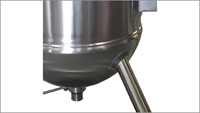
Food Industry Growth Forcing Manufacturers to Rethink Processing Equipment
We’ve been a part of the food manufacturing world for over nine decades, so we know that change is a constant for the industry. But the pace of change today – and its impact on the food manufacturing process – is more significant than ever... Here are some of the key implications we see that will affect how food manufacturers make decisions on their processing equipment:
Challenge Accepted: Faster Cooling in Jamaica
How do you allow food to cool fast enough to meet processing time limits, when you're in a hot climate? That was the challenge presented to Lee's engineers, and here's how they solved it...

Three Questions You Should Ask Your Processing Equipment Manufacturer
Preparing to buy a new piece of processing equipment doesn't have to be a daunting process, if you know the right questions to ask before you buy. Here are three questions you should ask your equipment manufacturer as you prepare to make a purchase...
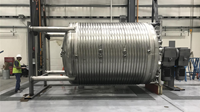
5 Vessel Design Requirements for Optimizing Food Grade, Specialty and High-Performance Lubricant Manufacturing
Food-grade, specialty and high-performance lubricants, can pose mixing, temperature and safety challenges that require specialized vessel features and performance. To meet these processing challenges, manufacturers may be wise to emphasize five key characteristics in their processing vessels for optimal results. See the five key characteristics in our blog article...
Challenge Accepted: A Tight Fit
Maneuvering around the physical constraints of a plant is a common challenge for processors. But for one of our pharmaceutical manufacturing customers, a particularly difficult space problem required a particularly innovative solution. Challenge accepted...
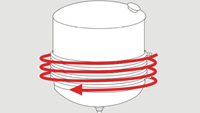
Why Do We Design Tanks with Coil Jackets?
Have you ever wondered why Lee's tanks are designed with coil jackets? See how one of the most important innovations of Lee's nearly 100-year history makes a key difference in throughput and consistency in every batch...
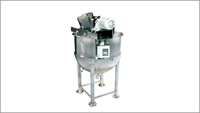
How to Make Sure the Kettle You Order is Actually the Kettle You Need
You’re faced with dozens of choices when building a high-performance processing vessel, and each one has an impact on how effectively the vessel performs in your environment. This article helps guide your decision-making, including what questions to ask...

Limitations of Conventional Mixing Systems in Pharmaceutical Topical and Transdermal Drug Product Applications
The inherent nature of high-viscosity pharmaceutical drug products poses real operational challenges to manufacturers. Here are some common issues with conventional mixing systems in pharmaceutical and other high-viscosity product settings, and how to overcome them...

Improving FSMA Compliance with Safety Features
Food safety remains a top priority for manufacturers, driven in part by FSMA. Many are focusing on equipment changes that support compliance. Here are three areas where upgrades can strengthen food safety efforts...

Three Vessel Design Enhancements to Improve Your Throughput
Improving throughput involves more than just adding capacity. Whether you're adding a new vessel, moving to a larger capacity, or replacing an existing unit, you have the unique opportunity to choose design options that can optimize your overall performance. Here are 3 to consider...
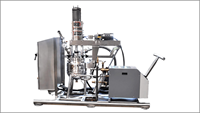
Steam or Hot Water? Which Heating Source is Best for Your Operation?
Choosing a heat source is a key consideration for all food processing operations. For processors who use a jacketed kettle design, the most common choice comes down to steam vs. hot water. But is one of them superior? Read on to find out...
Why Surface Finish Grades are a Key Part of Your Production Vessel
Your vessel's surface finish grade is often overlooked, but is actually a crucial component of your production vessel. The surface finish affects how your vessel accomplishes its intended task — or whether it’s able to at all. Here's why it matters...
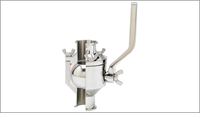
Engineering Advancements That Make Cleaning and Maintaining Your Processing Equipment More Efficient
Cleaning and maintaining processing equipment is vital for production teams in the food, beverage, bio/pharma and chemical industries, but these processes can be costly and often take up enormous amounts of time. Learn how to optimize the efficiency of your operation in this latest blog article...
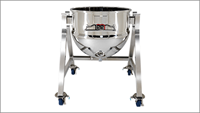
Two Ways Food Processing Kettles Prevent Waste — And Help the World
In food manufacturing, 32.4% of all food waste is tied to production issues, much of which could be prevented. However, food production kettles can be a big asset in the fight against food waste. Here are two key areas where kettles can make a difference...

Stock Vessel Replacement Parts On-Site to Make Your Maintenance More Efficient
The easiest way to be prepared for both scheduled and unscheduled maintenance is to keep a set of parts in stock. Regular maintenance is the best way to keep everything running smoothly, and these are the parts you should keep on hand...
Remember Your Processing Kettles During Your Upcoming Plant Shutdown
Scheduled maintenance shutdowns are right around the corner. For manufacturers that depend on processing kettles and tanks, carefully preparing for these crucial weeks ensures a successful shutdown. Here are 2 key areas to focus on as you prepare for your scheduled maintenance shutdown...

The Importance of a Clear Manufacturing Quote for Your New Processing Vessel
When looking at a price quote for a new vessel, the first impulse of a CFO or Purchasing Manager may be to choose the lowest bid. But what are the longer term implications of choosing only based on price? Here are some factors that impact a vessel's Total Cost of Ownership...

Crucial Factors to Consider When Expanding Your Food Processing Operation
No matter the size of your current food processing operation, you may someday need to expand. If and when that day comes, you’ll have to address these important questions regarding the expansion’s impact on your production...
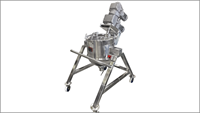
Three Ways Inclined Agitation Improves Operational Efficiency
When it comes to optimizing your production, there are two clear alternatives in the mixing and agitation area: horizontal ribbon blenders and hemispherical kettles with inclined agitation. Both have their benefits, but there are three significant ways kettles with inclined agitation set themselves apart...
Lee Industries Receives ISO Quality Management Systems Certification
Lee Industries recently received the ISO 9001:2015 Quality Management Certification, a marker of the company’s ongoing commitment to the highest international standards of quality...
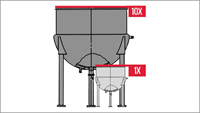
Use the 10X Rule to Guide Your Food Production Expansion
If you need to increase your production capacity to keep up with demand, the 10X rule is a helpful way to determine your processing equipment needs. Here's how this rule works...
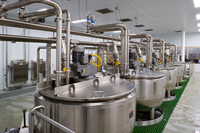
How to Improve Food Safety in Your Plant Operations
Assuring that your product will always be sanitary and free of contaminants is a critical food processing goal. So, when you are planning the design and configuration of your next kettle purchase, it is important to keep food safety in mind...

How to Improve Operator Safety in Your Food Processing Operations
During food processing, the safety of your production team is key. This article features key safety issues to consider in your food processing operation.

Lee Industries Explores Blending Options in Latest Production Guide
Choosing between inclined agitation kettles and horizontal ribbon blenders depends on a number of important food processing factors. This helpful production guide explores the differences in the two predominant mixer styles, and provides considerations for choosing the right style for your operation...