Equipment Design
Sign up to be notified of our new blog posts.

Food Processing Plants of the Future: What 2030 and 2050 Mean for Equipment Decisions Today
Food processing plants are already facing the pressures that will shape the next several decades: rising demand, more product variety, labor constraints, traceability requirements, and tighter expectations around sanitation, energy, and water use. Future-ready planning starts with equipment decisions being made now, from kettles and tanks to agitation systems, CIP systems, and custom process lines...

Skincare Products: How to Make Sure You Get the Right Processing Equipment
Mixing high viscosity products intended to penetrate the epidermis poses special challenges for manufacturers of skin care products. When increasing production, new equipment must be configured to ensure a consistent and scalable operation. Here are key factors to focus on when choosing a vessel...

Jams, Jellies and Preserves: How to Choose the Right Processing Vessel
As consumers focus on healthy lifestyles and opt for natural products, demand for jam, jelly, and preserve products is growing. To accommodate the growth and variety of ingredients, manufacturers may need to modify, upgrade or add processing equipment to keep pace. Here's how equipment choices can impact overall operational performance...

Soup’s On: What to Consider When Adding Capacity for Soup Production
More and more people agree that “soup is good food”. So, it’s no surprise that researchers expect the demand for soup to continue growing, with global annual value reaching $20B by 2026. This positive outlook means many soup producers are looking to add capacity. Here's what to consider...

Getting the Most from What You’ve Got: Maximizing the Efficiency of Your Existing Food Processing Equipment
Smart manufacturers continually look to improve the productivity, efficiency and reliability of their equipment. Here are several practical ways to help maximize cooking and mixing equipment’s performance and longevity...
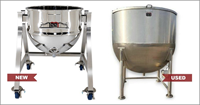
Thinking Used Instead of New? Take These Essential Steps Before Buying a Pre-Owned Vessel
The market for used processing vessels is typically strong, due in part to the long use-life of high-quality equipment. That, and today’s high demand for new equipment, is leading more processors to buy used equipment. Here's what to do before choosing a used vessel...
Six Tips for Food Manufacturers Purchasing Their First Mixing Vessel
Follow these six tips when buying your first mixing vessel, and get guidance with understanding how styles, features and options impact your product quality and consistency, production efficiency and operating costs...
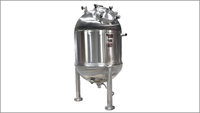
Vacuum De-Aeration: Removing Trapped Air Bubbles for Uniform Product Consistency and Accurate Dosing
Manufacturers who process high-viscosity products often encounter problems with air bubbles forming in the batch. These unwanted air bubbles can prevent exact measurement and dispensing of the product in its end-use packaging, a particular problem in bio-pharma products, where highly precise dosage amounts are often required for safe and effective patient treatment...

When Food Manufacturers Must Choose Between In-House or Contract Manufacturing
Most food producers—at some point in their product’s lifecycle—arrive at a fork-in-the-road moment where they must decide to make their product in-house, or outsource production to a contract manufacturer. Here are the pros and cons for each choice...
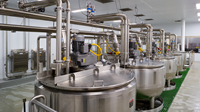
Five Equipment Decisions that Affect Efficiency and Productivity
When pursuing increased production, manufacturers should first consider these 5 engineer recommendations regarding key equipment decisions that affect processing times, production costs and overall efficiency...

Where the Vessel is Always Greener: the Environmental Impact of Lee Products
Because we believe it is important that our equipment operates in an ecologically friendly manner, we continually seek ways to engineer our kettles and tanks to minimize their impact on our environment. Here are some of the methods we use to support that goal...
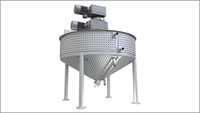
The Tell-Tale Signs of Dimple Jacket Vessel Quality
Jacketed processing vessels are used throughout the food, biopharma, cosmetic, chemical and lubrication industries. When you’re ready to purchase a jacketed vessel, here are 4 build-quality factors to look for...

9 Vessel Design Factors that Dramatically Affect CIP Performance
Lee Industries was one of the first vessel manufacturers to introduce CIP capabilities. Since then, we’ve learned a lot about optimizing vessel design to maximize sanitary performance and operating efficiency. Here are several best practices to help you design the best CIP-ready vessel for your operation...
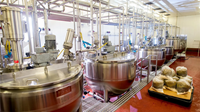
Five Questions to Ask When Buying a Used Kettle
Considering a used processing kettle? While they offer quick availability and lower prices than new ones, it's crucial to evaluate factors beyond design, capacity and agitator type. Here's what to consider when deciding whether or not to buy a used kettle...

Factors That Determine the Best Agitator Design for Your Processing Operation
There are four primary factors that should impact the selection of your agitator design. For each factor, the right agitator will deliver consistency and efficiency in mixing. Here's what to consider...
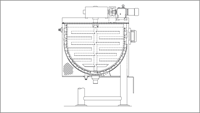
Factors That Determine the Best Processing Vessel Design for Your Operation
Effectively matching product traits to equipment design can significantly impact vessel performance. Beware of simply choosing the vessel you've always used, or the one you're most familiar with -- there may be a better fit. Here's how to choose...
Sauce Manufacturing: Be Sure to Consider These When Choosing Your Processing Equipment
The sauce category within the food manufacturing industry is growing about 4% per year, spurring product innovation from both small and large processors. To help you choose the right vessel for your sauce processing operation, be sure to consider these factors...

Three Questions You Should Ask Your Processing Equipment Manufacturer
Preparing to buy a new piece of processing equipment doesn't have to be a daunting process, if you know the right questions to ask before you buy. Here are three questions you should ask your equipment manufacturer as you prepare to make a purchase...
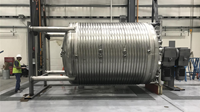
5 Vessel Design Requirements for Optimizing Food Grade, Specialty and High-Performance Lubricant Manufacturing
Food-grade, specialty and high-performance lubricants, can pose mixing, temperature and safety challenges that require specialized vessel features and performance. To meet these processing challenges, manufacturers may be wise to emphasize five key characteristics in their processing vessels for optimal results. See the five key characteristics in our blog article...
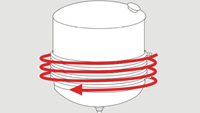
Why Do We Design Tanks with Coil Jackets?
Have you ever wondered why Lee's tanks are designed with coil jackets? See how one of the most important innovations of Lee's nearly 100-year history makes a key difference in throughput and consistency in every batch...
How to Make Sure the Kettle You Order is Actually the Kettle You Need
You’re faced with dozens of choices when building a high-performance processing vessel, and each one has an impact on how effectively the vessel performs in your environment. This article helps guide your decision-making, including what questions to ask...

Three Vessel Design Enhancements to Improve Your Throughput
Improving throughput involves more than just adding capacity. Whether you're adding a new vessel, moving to a larger capacity, or replacing an existing unit, you have the unique opportunity to choose design options that can optimize your overall performance. Here are 3 to consider...
Steam or Hot Water? Which Heating Source is Best for Your Operation?
Choosing a heat source is a key consideration for all food processing operations. For processors who use a jacketed kettle design, the most common choice comes down to steam vs. hot water. But is one of them superior? Read on to find out...
Why Surface Finish Grades are a Key Part of Your Production Vessel
Your vessel's surface finish grade is often overlooked, but is actually a crucial component of your production vessel. The surface finish affects how your vessel accomplishes its intended task — or whether it’s able to at all. Here's why it matters...

The Importance of a Clear Manufacturing Quote for Your New Processing Vessel
When looking at a price quote for a new vessel, the first impulse of a CFO or Purchasing Manager may be to choose the lowest bid. But what are the longer term implications of choosing only based on price? Here are some factors that impact a vessel's Total Cost of Ownership...

Crucial Factors to Consider When Expanding Your Food Processing Operation
No matter the size of your current food processing operation, you may someday need to expand. If and when that day comes, you’ll have to address these important questions regarding the expansion’s impact on your production...
Three Ways Inclined Agitation Improves Operational Efficiency
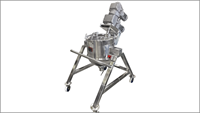
When it comes to optimizing your production, there are two clear alternatives in the mixing and agitation area: horizontal ribbon blenders and hemispherical kettles with inclined agitation. Both have their benefits, but there are three significant ways kettles with inclined agitation set themselves apart...
Use the 10X Rule to Guide Your Food Production Expansion
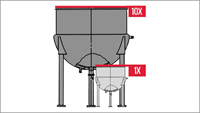
If you need to increase your production capacity to keep up with demand, the 10X rule is a helpful way to determine your processing equipment needs. Here's how this rule works...