Sign up to be notified of our new blog posts.
Jams, Jellies and Preserves: How to Choose the Right Processing Vessel
Posted on October 30, 2025
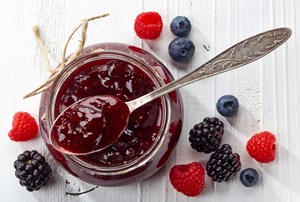
Summary: As demand for jams, jellies, and preserves rises—especially those made with less sugar, exotic fruits, and natural ingredients—manufacturers are rethinking their processing setups. Vacuum vessels have become the industry standard for large-scale production, and choosing the right configuration can impact everything from batch quality to operational efficiency.
Growing Demand for Natural and Health-Conscious Spreads
As consumers focus on healthy lifestyles and opt for natural products, demand for jam, jelly, and preserve products is growing. Projections call for the category to grow from $9.39 billion in 2025 to $12.44 billion by 2033 (source: Market Data Forecast).
This growth, and the arrival of products featuring less sugar and the use of a wider range of spices, herbs and rare or exotic fruits, is leading some manufacturers to consider modifying, upgrading or adding processing equipment to keep pace. Ultimately, their equipment choices can have a significant effect on their overall operational performance.
Why Vacuum Vessels Dominate Jam, Jelly & Preserve Processing
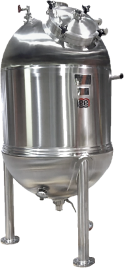
For small-scale or artisanal operations, an open kettle method may suffice, but most commercial processors turn to vacuum vessels for a few key reasons:
- Lower Boiling Temperatures: Vacuum conditions reduce the boiling point—sometimes to as low as 130°F—helping protect ingredient integrity and prevent issues like sugar caramelization or burn-on.
- Faster Processing: Lower temps also mean faster batch times, improving throughput.
- Product Quality: Solids retain their shape and texture, preserving the visual and sensory quality of the final product.
- Versatility: Vacuum vessels can be tailored to specific recipes or expanded product lines with custom features.
Key Configuration Factors for Vacuum Vessels
Vacuum vessels are highly configurable and can be customized to optimize production for a specific product or line of products. Selecting or upgrading a vacuum vessel requires careful consideration of the following:
1. Desired Output
Your production targets will drive vessel sizing and influence the supporting system, including:
- Pre-mix kettles
- Boiler capacity
- Condenser and vacuum pump size
- Standardization kettles
All these elements must be in sync to support the output goal
2. Product Range & Brix Levels
The type and range of products you’ll be processing significantly affect equipment needs. Specifically:
- Starting and target °Brix (sugar content) levels
- Water volume to be evaporated
- Batch size flexibility for different fruit blends or textures
The wider your product range, the more flexible and scalable your vacuum vessel must be.
3. Steam & Water Supply
Efficient evaporation relies on a balance of steam input and water-based cooling for condensing. Ask:
- Can your boiler deliver sufficient steam pressure for the desired throughput?
- Is your water supply adequate to condense the steam rapidly and maintain vacuum conditions?
4. Equipment Compatibility
If you’re integrating a new vacuum vessel into an existing line:
- Verify that pre-mix and standardization kettles are appropriately sized.
- Ensure your boiler units, condensers and vacuum pumps are powerful enough for your vessel's capacity.
5. Space Constraints
Vacuum pans are typically taller than standard kettles due to:
- Larger initial batch volumes
- Strong boil-up and foam potential
- Required headspace for the condenser and vacuum system
Check ceiling heights and vertical clearance before specifying equipment.
Is It Time to Rethink Your Jam Line?
If your facility is expanding or diversifying its product offerings, optimizing your vacuum vessel is one of the most impactful decisions you can make. The right system not only protects product quality—it increases output, reduces batch times, and helps meet changing consumer expectations.
Want to speak with a Lee Industries application engineer about the best configuration for your operation? Contact us today.
Last Updated: 10/30/2029
Comments
Add Your Own Comment