Timothy "TJ" Knob, Jr.
Sign up to be notified of our new blog posts.

Annual Food Manufacturing Surveys Yield Important Equipment Considerations
We’re always paying attention to the issues our customers face in their businesses. That way, we can adapt our products and services to best fit their changing needs. So, the recent release of two annual research reports within the Food Manufacturing industry is particularly interesting...

Skincare Products: How to Make Sure You Get the Right Processing Equipment
Mixing high viscosity products intended to penetrate the epidermis poses special challenges for manufacturers of skin care products. When increasing production, new equipment must be configured to ensure a consistent and scalable operation. Here are key factors to focus on when choosing a vessel...

Equipment Considerations for Plant-Based Food Processing
The plant-based food market is expected to reach $74.2 billion by 2027. As food manufacturers ramp up production of plant-based products, they must determine how to configure their processing equipment to effectively scale operations. Here are several important considerations...
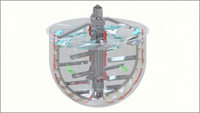
How Precision Mixing Enhances Batch Consistency in Pharmaceutical Manufacturing
Pharmaceutical manufacturers must consistently produce precise, high-quality products at scale. Read on to discover the key elements to achieving precise mixing and reducing batch variability...

Six Tips for Food Manufacturers Purchasing Their First Mixing Vessel
Follow these six tips when buying your first mixing vessel, and get guidance with understanding how styles, features and options impact your product quality and consistency, production efficiency and operating costs...

When Looking for a Vessel, Don’t Overlook the Value of a Professional Applications Engineer
In a world of remote vendors, it’s easy to overlook the value real experts bring. For food, cosmetic, pharmaceutical, and similar manufacturers, experienced partners make a critical difference when selecting new processing vessels...
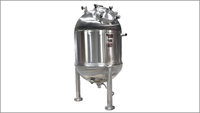
Vacuum De-Aeration: Removing Trapped Air Bubbles for Uniform Product Consistency and Accurate Dosing
Manufacturers who process high-viscosity products often encounter problems with air bubbles forming in the batch. These unwanted air bubbles can prevent exact measurement and dispensing of the product in its end-use packaging, a particular problem in bio-pharma products, where highly precise dosage amounts are often required for safe and effective patient treatment...
The Value of Custom-Built Processing Equipment…and What to Do If You Can’t Wait
While most manufacturers prefer equipment customized to their operation and product, some may feel they need to seek other options, like in-stock or used equipment. Read on to learn what to consider when evaluating custom vs. in-stock equipment...

Identifying Production Bottlenecks in Process Manufacturing Operations
How can you expand production without expanding your plant? By getting rid of bottlenecks. We’ve identified several common production bottlenecks and—by tweaking equipment capacity and workflow—found creative ways to solve them. Here's what we found...

Pet Food Safety Incident Has Manufacturers Reviewing Their Operations
Pet food safety has remained a major focus since FSMA introduced strict requirements for both human and pet food manufacturers...
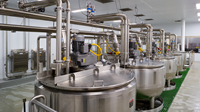
Five Equipment Decisions that Affect Efficiency and Productivity
When pursuing increased production, manufacturers should first consider these 5 engineer recommendations regarding key equipment decisions that affect processing times, production costs and overall efficiency...

Challenge Accepted: Accommodating Low and High-Viscosity Product in the Same Vessel
It’s one thing to engineer a processing vessel solution to optimize production for thick, high-viscosity product. But engineering a solution that works well for a product that starts as a water-like mixture and gradually takes on the consistency of heavy paste? That is an entirely different challenge, and here's how Lee met it...
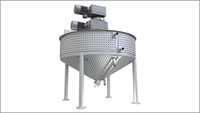
The Tell-Tale Signs of Dimple Jacket Vessel Quality
Jacketed processing vessels are used throughout the food, biopharma, cosmetic, chemical and lubrication industries. When you’re ready to purchase a jacketed vessel, here are 4 build-quality factors to look for...
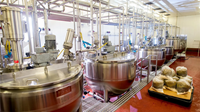
Five Questions to Ask When Buying a Used Kettle
Considering a used processing kettle? While they offer quick availability and lower prices than new ones, it's crucial to evaluate factors beyond design, capacity and agitator type. Here's what to consider when deciding whether or not to buy a used kettle...

Factors That Determine the Best Agitator Design for Your Processing Operation
There are four primary factors that should impact the selection of your agitator design. For each factor, the right agitator will deliver consistency and efficiency in mixing. Here's what to consider...
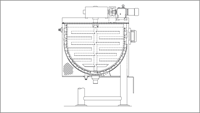
Factors That Determine the Best Processing Vessel Design for Your Operation
Effectively matching product traits to equipment design can significantly impact vessel performance. Beware of simply choosing the vessel you've always used, or the one you're most familiar with -- there may be a better fit. Here's how to choose...

Challenge Accepted: Preventing Burn-On When Cooking Cheese Sauce in a Jacketed Kettle
As anyone who has melted cheese on a stovetop knows, it is nearly impossible to keep it from sticking to the pot and cleaning the inside surface afterward can be difficult. See how we solved this challenge for one of our contract process and packaging customers...

Sauce Manufacturing: Be Sure to Consider These When Choosing Your Processing Equipment
The sauce category within the food manufacturing industry is growing about 4% per year, spurring product innovation from both small and large processors. To help you choose the right vessel for your sauce processing operation, be sure to consider these factors...
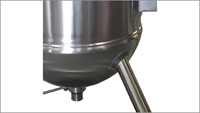
Food Industry Growth Forcing Manufacturers to Rethink Processing Equipment
We’ve been a part of the food manufacturing world for over nine decades, so we know that change is a constant for the industry. But the pace of change today – and its impact on the food manufacturing process – is more significant than ever... Here are some of the key implications we see that will affect how food manufacturers make decisions on their processing equipment:
Challenge Accepted: Faster Cooling in Jamaica
How do you allow food to cool fast enough to meet processing time limits, when you're in a hot climate? That was the challenge presented to Lee's engineers, and here's how they solved it...

Three Questions You Should Ask Your Processing Equipment Manufacturer
Preparing to buy a new piece of processing equipment doesn't have to be a daunting process, if you know the right questions to ask before you buy. Here are three questions you should ask your equipment manufacturer as you prepare to make a purchase...
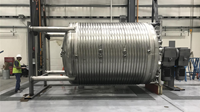
5 Vessel Design Requirements for Optimizing Food Grade, Specialty and High-Performance Lubricant Manufacturing
Food-grade, specialty and high-performance lubricants, can pose mixing, temperature and safety challenges that require specialized vessel features and performance. To meet these processing challenges, manufacturers may be wise to emphasize five key characteristics in their processing vessels for optimal results. See the five key characteristics in our blog article...
Challenge Accepted: A Tight Fit
Maneuvering around the physical constraints of a plant is a common challenge for processors. But for one of our pharmaceutical manufacturing customers, a particularly difficult space problem required a particularly innovative solution. Challenge accepted...
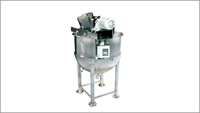
How to Make Sure the Kettle You Order is Actually the Kettle You Need
You’re faced with dozens of choices when building a high-performance processing vessel, and each one has an impact on how effectively the vessel performs in your environment. This article helps guide your decision-making, including what questions to ask...

Improving FSMA Compliance with Safety Features
Food safety remains a top priority for manufacturers, driven in part by FSMA. Many are focusing on equipment changes that support compliance. Here are three areas where upgrades can strengthen food safety efforts...

Three Vessel Design Enhancements to Improve Your Throughput
Improving throughput involves more than just adding capacity. Whether you're adding a new vessel, moving to a larger capacity, or replacing an existing unit, you have the unique opportunity to choose design options that can optimize your overall performance. Here are 3 to consider...
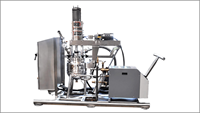
Steam or Hot Water? Which Heating Source is Best for Your Operation?
Choosing a heat source is a key consideration for all food processing operations. For processors who use a jacketed kettle design, the most common choice comes down to steam vs. hot water. But is one of them superior? Read on to find out...

Why Surface Finish Grades are a Key Part of Your Production Vessel
Your vessel's surface finish grade is often overlooked, but is actually a crucial component of your production vessel. The surface finish affects how your vessel accomplishes its intended task — or whether it’s able to at all. Here's why it matters...

The Importance of a Clear Manufacturing Quote for Your New Processing Vessel
When looking at a price quote for a new vessel, the first impulse of a CFO or Purchasing Manager may be to choose the lowest bid. But what are the longer term implications of choosing only based on price? Here are some factors that impact a vessel's Total Cost of Ownership...
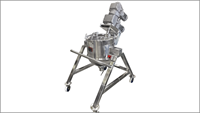
Three Ways Inclined Agitation Improves Operational Efficiency
When it comes to optimizing your production, there are two clear alternatives in the mixing and agitation area: horizontal ribbon blenders and hemispherical kettles with inclined agitation. Both have their benefits, but there are three significant ways kettles with inclined agitation set themselves apart...
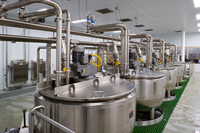
How to Improve Food Safety in Your Plant Operations
Assuring that your product will always be sanitary and free of contaminants is a critical food processing goal. So, when you are planning the design and configuration of your next kettle purchase, it is important to keep food safety in mind...

How to Improve Operator Safety in Your Food Processing Operations
During food processing, the safety of your production team is key. This article features key safety issues to consider in your food processing operation.